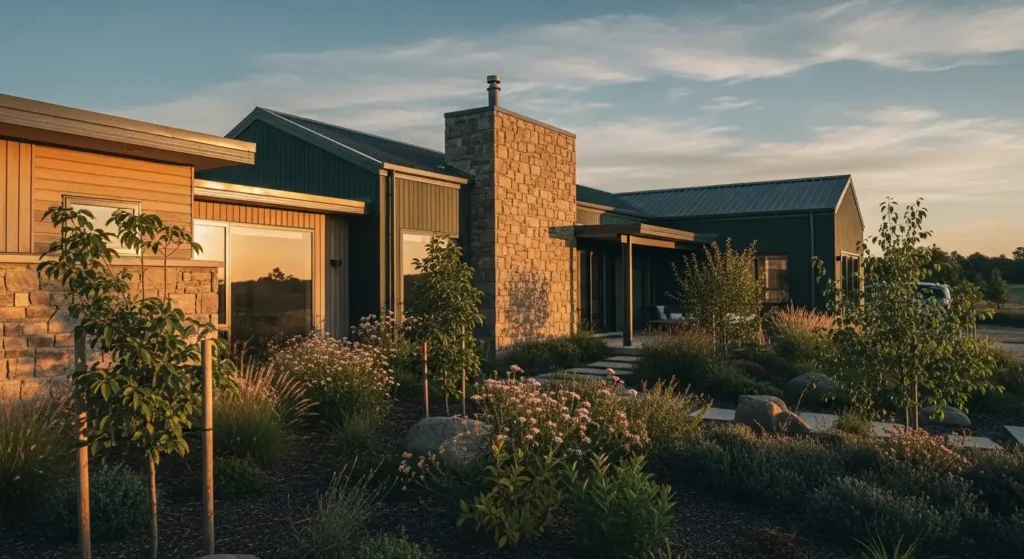
As we navigate the peak exterior renovation season of 2026, a profound shift is taking place in how homeowners view their properties. The “Millennial Grey” and stark white “Modern Farmhouse” aesthetics that dominated the last decade have finally receded. In their place is a movement designers call Biophilic Exterior Painting. This trend is not merely about aesthetic preference; it is a response to our collective desire for homes that act as sanctuaries of restoration and natural harmony.
In this comprehensive guide, we will explore why nature-inspired palettes have become the hallmark of 2026 design, the psychological benefits of these hues, and the technical advancements in paint technology that make these earthy tones more durable and eco-friendly than ever before.
The Philosophy of Biophilic Design in 2026
 Biophilic design is rooted in the “biophilia hypothesis”—the idea that humans possess an innate tendency to seek connections with nature and other forms of life. While this concept has spent years flourishing in interior design through indoor plants and natural light, 2026 marks its definitive move to the home’s exterior.
Homeowners are no longer looking for their houses to stand in stark contrast to their surroundings. Instead, they want their architecture to “settle” into the landscape. By utilizing biophilic exterior painting palettes, we can bridge the gap between built structures and the natural environment, creating a sense of “quiet luxury” and neighborhood harmony.
Why Nature-Inspired Palettes are Dominating the Market
Recent market data indicates that homes featuring natural, earthy tones are seeing a marked increase in “perceived value.” In an increasingly digital and fast-paced world, a home that visually reflects the calming influence of nature offers a “mental reset” before one even crosses the threshold. This psychological appeal is a primary driver for the 2026 trend.
1. Emotional Well-being and “Restorative” Curb Appeal
Colors like muted sage, warm clay, and slate blue have been shown to lower cortisol levels and reduce visual stress. When a neighborhood moves away from high-contrast whites and greys toward organic tones, the entire streetscape feels more inviting and tranquil. In 2026, “curb appeal” has evolved into “curb harmony.”
2. The Integration of Mixed Materials
The 2026 architectural landscape heavily features mixed materials like natural wood accents, stone veneer, and copper guttering. Biophilic paint colors are specifically designed to complement these textures rather than compete with them. A warm mushroom taupe, for example, draws out the natural grain of cedar siding in a way that a cool grey simply cannot.
The Signature Biophilic Palettes of 2026
While “nature-inspired” is a broad term, three specific palettes have emerged as the frontrunners for professional exterior projects this year.
The “Forest Path” (Greens and Earthy Browns)
Greens are the undisputed king of 2026. However, these are not the vibrant forest greens of the past. Think Sherwin-Williams’ Evergreen Fog or Benjamin Moore’s Healing Aloe—shades that contain significant grey or brown undertones. These “desaturated” greens mimic the soft colors of eucalyptus, moss, and sagebrush. They are particularly effective for homes in wooded or suburban areas where they can blend seamlessly with the canopy.
The “Desert Bloom” (Terra Cotta, Sand, and Warm Beige)
For homes in sunnier climates or those with Mediterranean architecture, the trend has shifted toward warm, desert-inspired tones. Deep terracotta accents paired with a soft “Sand Dune” body create a grounded, sun-kissed look. These colors are highly practical, as they are naturally adept at masking the dust and weathering common in arid environments.
The “Canyon Slate” (Deep Charcoals and Mineral Blues)
For those who prefer a modern look, the biophilic trend offers “mineral” tones. These are dark, moody colors inspired by basalt, slate, and deep ocean water. In 2026, these charcoals have replaced the blue-toned “Navy” of previous years with warmer, brownish-blacks that feel more like natural stone than industrial metal.
Technical Innovations: Reflective Pigments and Eco-Friendliness
 One of the historical barriers to using darker, biophilic tones was heat absorption. In the past, a dark olive or deep charcoal would absorb significant UV radiation, leading to increased cooling costs and premature paint failure. However, 2026 paint technology has solved this issue.
Most premium exterior painting services now utilize infrared-reflective (IR) pigments. These allow darker colors to reflect solar energy similarly to lighter tones. Additionally, the move toward biophilic design has spurred the development of “bio-based” paints that use plant-derived resins instead of petroleum, aligning the home’s aesthetic with its environmental footprint.
Strategic Implementation: Where to Apply Biophilic Tones
Successfully executing a biophilic refresh requires more than just picking a color; it requires strategic application across the home’s different architectural elements.
- The Primary Body: Use your most muted, light-to-mid-tone color here. Sage greens and warm beiges are ideal for large surface areas.
- The Trim: In 2026, “tonal” trim is trending. Instead of white, try a trim color that is two shades darker or lighter than the body for a softer, more sophisticated transition.
- The Front Door: This is your “Biophilic Pop.” A rustic red, a deep teal, or even a matte black front door provides a focal point that remains grounded in natural elements. According to 2026 real estate reports, a well-chosen door color can increase a home’s sale price by several thousand dollars.
Connecting Your Project to Local Context
When choosing your palette, it is vital to consider your regional environment. A color that looks beautiful in the coastal light of Southern California might look stark and cold in the Pacific Northwest. If you are renovating a property in a historically sensitive area, such as those discussed in our Butte County history guides, opting for these muted, organic tones is often the best way to honor historical context while maintaining modern appeal.
Furthermore, in regions where safety is a priority, many homeowners are integrating their biophilic painting with broader property upgrades. For instance, if you are following the 2026 California Home Hardening standards, you can select fire-resistant coatings in these trending biophilic shades, proving that safety and style are no longer mutually exclusive.
Conclusion: The Future is Green (and Clay, and Slate)
The rise of biophilic exterior painting represents a collective “exhale” in the world of design. By turning to the natural world for inspiration, we are creating homes that are not only beautiful but are also supportive of our mental well-being and local ecosystems. Whether you are preparing for a sale or simply want to transform your home into a personal sanctuary, the nature-inspired palettes of 2026 offer a timeless, grounded path forward.
Ready to see how a biophilic palette can transform your home? Contact our experts today for a color consultation that brings the best of the outdoors to your doorstep.
For more advice on maintaining your home’s exterior, check out our recent legal brief on property maintenance liability to ensure your new paint job is protected by proper upkeep.