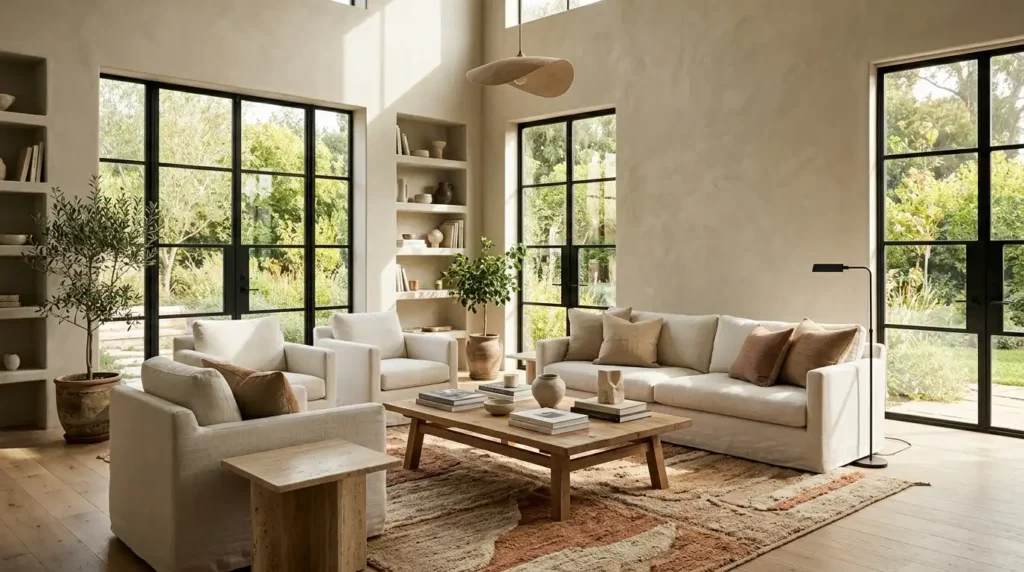
Why Cool Gray Is Fading Out of Home Design
The original rise of cool gray was largely driven by a desire for modern simplicity and a departure from the oversaturated golden-yellow tans of the 1990s. However, when applied extensively throughout a home, cool gray often creates an environment that feels clinical, uninviting, or overly sterile—especially in regions with overcast winter lighting.
As remote work and home-centered lifestyles expanded, the psychological need for comforting, tactile, and natural environments grew. Design movements now prioritize organic minimalism and biophilic aesthetics, which pair seamlessly with natural wood, stone, and earth-derived paint tones rather than cold, industrial grays.
The Power of “Greige” and Warm Earth Neutrals
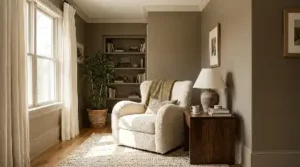 If true beige feels too retro and cool gray feels too sterile, greige serves as the ultimate harmonious middle ground. By infusing classic gray with subtle brown, taupe, or golden undertones, greige adapts dynamically to changing natural light throughout the day.
Leading paint manufacturers have placed warm, earth-grounded tones at the center of their annual palettes. For instance, major color forecasts from Sherwin-Williams Greige Paint Collections highlight balanced shades like Agreeable Gray, Accessible Beige, and Perfect Greige for their unique ability to bridge warm and cool design elements seamlessly.
Likewise, sophisticated color trends from Benjamin Moore Color Trends demonstrate a distinct shift toward deeper umbers, complex plum-browns, and soft clay undertones that add architectural depth to walls and trim alike.
Top Warm Neutrals Redefining Modern Interiors:
- Creamy Greige: A soft blend of gray and beige that shifts from a crisp light gray in morning light to a cozy sandy hue in the evening.
- Mushroom & Taupe: Mid-tone earth shades with subtle violet or brown undertones that add sophisticated contrast to kitchen cabinets and built-ins.
- Warm Ivory & Off-White: Rich whites with yellow, pink, or amber undertones that eliminate harsh glare while keeping spaces bright.
- Terracotta & Muted Clay: Accent hues that bring the natural warmth of baked earth into dining rooms, entryways, and feature walls.
How to Transition Your Home from Cool Gray to Warm Neutrals
Updating your home’s color scheme doesn’t require a total overhaul overnight. By taking a strategic approach to paint selection and lighting, you can transition your interiors smoothly.
1. Test Paint Samples Under Real Lighting Conditions
Under natural light, warm neutrals exhibit subtle undertones that can shift dramatically depending on window orientation. North-facing rooms receive cooler, bluish light, making warm greiges and light taupes essential for counteracting shadows. South-facing rooms benefit from intense warm light, where a neutral greige with balanced undertones prevents the room from looking overly yellow.
2. Pair Warm Walls with Natural Textures
Warm earth neutrals shine when paired with organic materials. Replace sleek chrome hardware with brushed brass, bronze, or matte black fixtures. Introduce natural oak flooring, travertine table surfaces, linen drapery, and woven wool textiles to amplify the layered, cozy aesthetic.
3. Embrace Color Drenching and Soft Trim Contrast
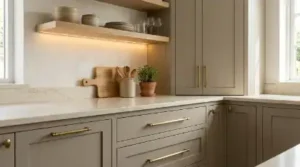
Instead of painting trim in stark, cold white, modern residential design favors painting baseboards, doors, and crown molding in the same warm neutral shade as the walls—or even choosing a slightly darker shade of warm greige for the trim. This technique creates a seamless, high-end architectural finish that makes ceilings feel taller and rooms more cohesive.
Conclusion
The transition away from cool gray represents a broader evolution in residential design: moving away from stark minimalism toward warm, authentic, and comfortable living spaces. Whether you choose a soft whole-house greige or bold mushroom accents, embracing warm earth neutrals provides a versatile foundation that keeps your home feeling elegant and timeless for years to come.